Layering Techniques for Cold Weather Without Adding Bulk
Layering for cold weather often carries the misconception that warmth must come at the cost of volume. Traditional heavy sweaters and thick parkas can create a silhouette that feels cumbersome and limits movement. However, a more refined approach exists—one that prioritizes thermal efficiency through material selection and strategic garment placement. By combining thin merino wool base layers, lightweight cashmere sweaters, and tailored coats, it is possible to maintain a sleek profile while staying comfortable in low temperatures.
The principle behind effective layering without bulk lies in the ability of certain fabrics to trap heat without adding thickness. Natural fibers such as merino wool and cashmere offer excellent insulation-to-weight ratios, while structured outer garments like tailored coats provide wind resistance and shape. This method does not rely on a single heavy piece but instead distributes warmth across multiple thin layers, each serving a distinct function. The result is a wardrobe approach that aligns with both thermal needs and aesthetic preferences.
In the following sections, we will examine the specific roles of base, mid, and outer layers, along with practical considerations for fabric care and activity-specific adjustments. The focus remains on process and context rather than guaranteed outcomes, acknowledging that individual comfort depends on factors such as climate, activity level, and personal metabolism.
Understanding the Principle of Insulation Without Volume
Insulation in clothing works primarily by trapping still air close to the body. Air is a poor conductor of heat, so the more air pockets a garment can hold without excessive weight or thickness, the warmer the wearer remains. Thin, high-loft fabrics like merino wool and cashmere create micro-air pockets within their fibers, providing effective insulation even when the fabric itself is lightweight. In comparison, thick synthetic puffers or heavy wool sweaters achieve warmth by increasing the depth of the trapped air layer, which inevitably adds bulk.
The key to avoiding bulk is to select materials that maximize the ratio of trapped air to fabric mass. Merino wool, for instance, can be spun into exceptionally fine threads that still retain crimp and springiness, resulting in a fabric that is both thin and insulating. Cashmere, known for its softness and light weight, offers similar properties when used in lightweight knits. Tailored coats, while not inherently insulating on their own, provide a structured outer shell that prevents wind from stripping away the warm air trapped by the inner layers. This combination allows for a layering system that is physically compact yet thermally effective.
It is important to note that the effectiveness of this system depends on the fit of each layer. A base layer that is too loose will fail to trap heat efficiently, while a mid-layer that is too tight may compress the insulating air pockets. Similarly, an outer coat should be cut with enough room to accommodate the layers beneath without pulling or wrinkling, which can reduce the coat’s wind resistance. Fit, therefore, becomes a critical variable in the layering equation.
The Role of Base Layers: Merino Wool
Base layers are the foundation of any layering system, responsible for managing moisture and maintaining a stable microclimate next to the skin. Merino wool has become a preferred material for this role because of its natural properties. Unlike synthetic fibers, merino wool can absorb water vapor without feeling wet, releasing it gradually to the outer layers. This wicking ability helps prevent the chilling effect that occurs when sweat accumulates on the skin during physical activity or temperature fluctuations.
Thin merino wool base layers are available in weights ranging from 150 to 200 grams per square meter, which are suitable for moderate cold. These lightweight options provide warmth without adding noticeable thickness under a shirt or sweater. The fabric’s natural elasticity also allows for a close fit that eliminates air gaps without restricting movement. For those who prefer a completely smooth silhouette, seamless merino garments are available, reducing bulk at seams and underarm areas.
Wearing a merino base layer directly against the skin also reduces the need for an additional insulation layer in milder cold. In temperatures just above freezing, a merino top paired with a tailored coat may be sufficient, allowing the wearer to skip a heavier mid-layer altogether. This flexibility is one of the advantages of using merino wool as a base; it can serve as the sole insulating layer or act as a foundation for additional garments depending on the conditions.
Mid-Layers: Lightweight Cashmere Sweaters
Mid-layers provide an extra zone of insulation above the base layer. For a non-bulky approach, lightweight cashmere sweaters are an excellent choice. Cashmere fibers are finer than sheep’s wool, which allows for a softer, lighter fabric that still retains significant warmth. A mid-weight cashmere sweater of around 2-3 plies can offer substantial insulation while remaining thin enough to fit comfortably under a tailored coat.
The texture of cashmere also contributes to heat retention. The fibers have a natural crimp that creates small air pockets, similar to merino wool. When worn over a merino base layer, the combination creates a layered air system without the need for thick, chunky knits. The key is to select sweaters with a tight gauge—that is, a high stitch density—which minimizes bulk while preserving the fabric’s insulating capacity. Loose, open-knit cashmere may look airy but actually allows heat to escape more readily.
Another consideration is the fit of the sweater relative to the outer coat. A lightweight cashmere sweater should be cut slim but not tight, allowing the base layer to function without compression. Sleeve length and shoulder seam placement are important to avoid bunching under a coat. Some individuals prefer cardigan-style cashmere sweaters for added versatility, as they can be removed easily without disturbing the base layer. However, pullovers often provide more consistent insulation because there is no opening for heat to escape.
Outer Layers: Tailored Coats
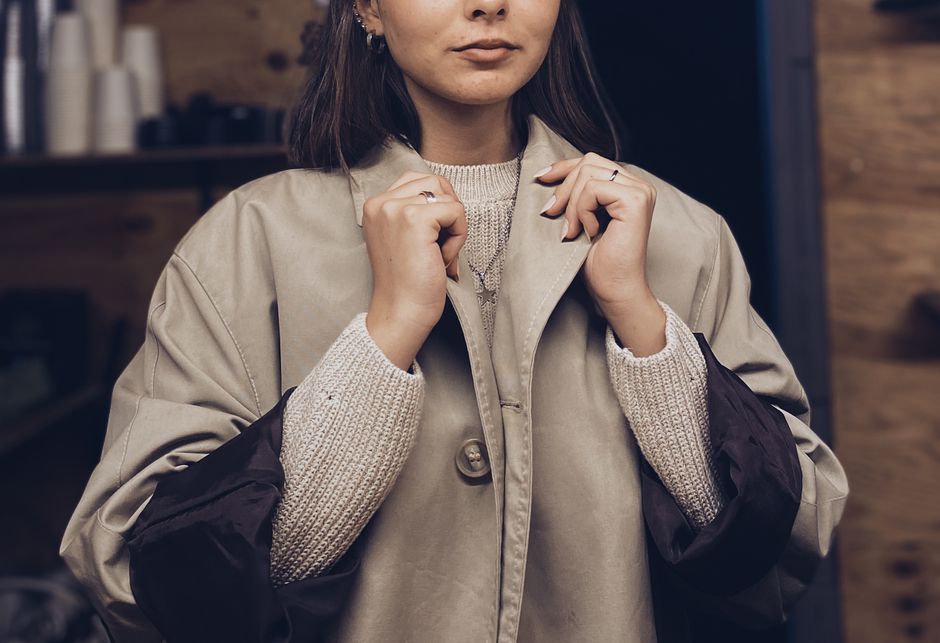
The outer layer serves as a barrier against wind, precipitation, and radiant heat loss. Tailored coats—such as wool overcoats, trench coats, or structured puffers—offer a polished silhouette while providing the necessary protection. Unlike bulky parkas, a tailored coat is designed to follow the body’s contours, often with minimal insulation but a dense, wind-resistant fabric. The choice of coat material matters: a wool blend with a high thread count can block wind effectively without requiring a thick synthetic fill.
When layering with thin base and mid-layers, the coat should be selected with enough ease to accommodate the layers underneath without stress on the seams or buttons. A well-fitted tailored coat allows for a full range of motion—reaching, bending, or carrying bags—while maintaining a clean line. Many modern tailored coats include features such as interior zip pockets, removable linings, or adjustable waist tabs, which can enhance their functionality without adding bulk.
For extreme cold, a long coat that extends below the hip provides additional coverage for the torso and upper legs, reducing the need for heavy trousers. Some tailored coats are designed with a removable down or synthetic liner, allowing the wearer to adjust the level of insulation according to the day’s conditions. This modular approach aligns with the layering philosophy: instead of committing to a single heavy garment, the user can combine separate pieces to match the environment.
Practical Considerations for Activity and Maintenance
The effectiveness of a thin-layer system varies with activity level. During sedentary periods, such as commuting or sitting in a cold office, the layers work best when the air trapped within them remains undisturbed. Light movement, like walking, generally does not disrupt the insulating air pockets. However, during high-intensity activities like hiking or winter sports, increased sweat production may overwhelm merino wool’s moisture management. In such cases, incorporating a synthetic base layer or a mid-layer with ventilation features—such as underarm zips—can help regulate temperature without adding bulk.
Care and maintenance of delicate fabrics like merino wool and cashmere are essential to preserving their insulating properties. Both materials are prone to shrinking and felting if exposed to high heat or agitation. Hand washing in cool water with a mild detergent, followed by air drying flat, is a recommended approach. Machine washing on a delicate cycle with a wool-safe detergent is also possible, but careful attention to water temperature and spin speed is necessary. Regular pilling removal with a fabric comb can keep garments looking neat and maintain their surface texture, which contributes to heat retention.
Finally, storage plays a role in longevity. Hanging merino or cashmere sweaters can lead to stretching at the shoulders; folding them and placing them on a shelf is preferable. Tailored coats should be hung on broad, padded hangers to preserve their shape. By investing time in proper care, the thin layers can continue to provide consistent warmth and a sleek appearance over multiple seasons.